
Construction project scheduling Northern Michigan homeowners count on is very different from scheduling a build in a milder, year-round climate. Between lake-effect snow, a compressed outdoor construction season, and remote or seasonal ownership, even a straightforward renovation can stall without a realistic timeline. This guide explains how scheduling works in Emmet, Cheboygan, and Mackinac Counties, what typically causes delays, and how a licensed local builder-GC keeps a project moving from permit to final walkthrough.
Quick answer: Construction project scheduling in Northern Michigan is the process of sequencing permits, trades, materials, and weather-sensitive work so a build or renovation finishes on time despite a short building season and remote site conditions. It typically includes written timelines, scheduled checkpoints, and seasonal contingency buffers.
What Is Construction Project Scheduling?
Construction project scheduling is the process of mapping out when each task in a build happens, who performs it, and how long it should take. In short, construction project scheduling is the backbone that holds permitting, framing, mechanical work, inspections, and finishing trades together in a logical order.
For a typical residential project, that means sequencing site work before foundation pours, framing before roofing, and rough mechanical work before insulation and drywall. Each task depends on the one before it. As a result, a delay early in the sequence tends to ripple through everything downstream.
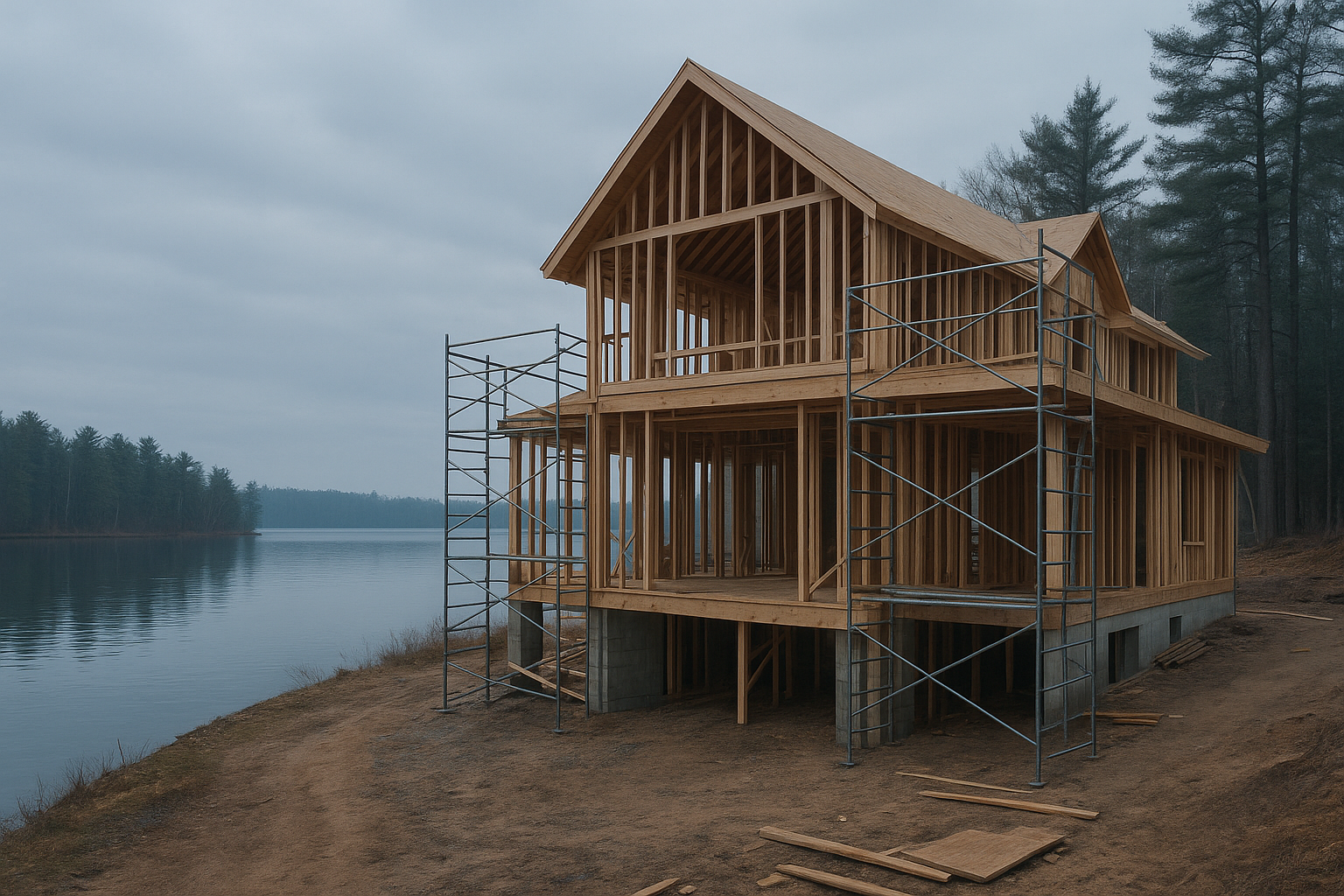
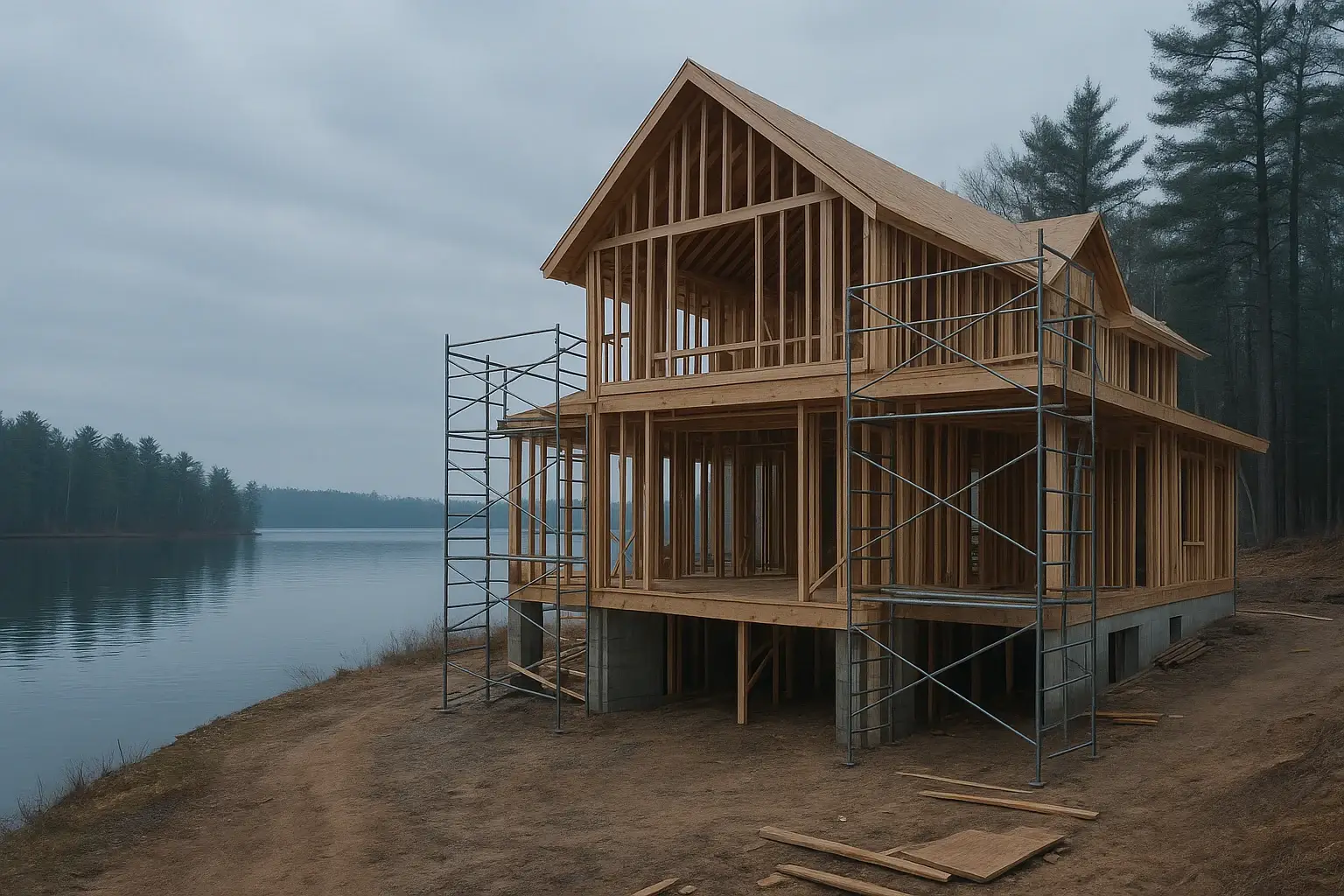
Effective construction project scheduling in Northern Michigan accounts for a short outdoor building window. To go deeper, see our Best Practices for Winter Property Management in Northern Michigan.
Why Project Scheduling in Northern Michigan Requires a Different Approach
Northern Michigan’s climate shortens the practical construction season considerably. Consequently, projects that might run continuously in a warmer region often need to pause or shift tasks indoors for several months each year. For a deeper walkthrough, see our Our Construction Portfolio: Northern Michigan Projects.
According to National Weather Service climate records for the Gaylord forecast office. This covers Emmet and Cheboygan Counties, portions of the Little Traverse Bay region can receive well over 100 inches of lake-effect snow in an average winter. As a result, exterior work such as roofing, siding, and excavation has a narrower window than in southern Michigan or most of the Lower 48.
In addition, seasonal and lakeside properties often sit on private roads or shared access points that are harder to reach in winter. A schedule that ignores these realities almost always slips.
Key Factors That Affect Northern Michigan Construction Timelines
Several recurring factors shape how long a project takes in this region. Understanding them in advance helps homeowners set expectations before work begins.
- Weather windows: Framing, roofing, and concrete work depend on temperatures and precipitation that can shift quickly near Lake Michigan and Lake Huron.
- Permit review times: Local municipalities and county offices review applications on their own timelines, which can add weeks before work legally starts.
- Material and trade availability: Remote communities, including Mackinac County, sometimes face longer delivery lead times and tighter subcontractor schedules.
- Property access: Seasonal roads, ferry schedules for island properties, and shoreline permitting can add logistical steps.
How Construction Project Scheduling Works: A Step-by-Step Process
Although every project is different, a dependable schedule generally follows the same core sequence. Below is the process a licensed builder-GC typically follows when organizing a Northern Michigan build or renovation. For a deeper walkthrough, see our Summertime Construction FAQ Northern Michigan | Builder-GC.
- Define scope and realistic timeline goals. Every task is documented, from demolition through final walkthrough, with a completion target that reflects the region’s shorter building season.
- Secure permits and approvals early. Building, electrical, mechanical, septic, or shoreline permits are submitted as soon as possible since review times vary by jurisdiction.
- Sequence trades and material deliveries. Materials are ordered with enough lead time for remote delivery routes, and subcontractors are scheduled in dependency order.
- Build in weather and seasonal buffers. Contingency days are added around typical snow and freeze-thaw periods, shifting exterior work to warmer months where possible.
- Monitor progress and adjust in real time. Digital reporting, photo documentation, and site visits track milestones so the schedule can be adjusted quickly when conditions change.
To see how this process is applied on real residential projects, Summertime Construction’s construction project management page outlines how scope, budget, and schedule are tracked together. For a deeper walkthrough, see our Does Summertime Construction Provide Emergency Response Services?.
Using Inspections and Documentation to Protect the Schedule
Progress checkpoints are easy to overlook, yet they catch problems before they become expensive delays. Many licensed builder-GCs now pair scheduling with documentation tools borrowed from the home inspection industry.
For example, DJI drone imagery can confirm roofing progress on a multi-story lakeside home without putting a crew member on a ladder mid-schedule. Similarly, FLIR thermal imaging can verify insulation installation before drywall closes the walls, and InterNACHI-trained inspection standards bring a consistent quality checkpoint to each phase. Reports delivered through platforms like Spectora give remote owners a dated, photo-backed record of exactly where the project stands.
Homeowners who want this kind of oversight built into their renovation can review Summertime Construction’s home renovation project management guide for a more detailed breakdown of how these checkpoints fit into a full build schedule. For a deeper walkthrough, see our Construction Management Cheboygan County: A Full Guide.
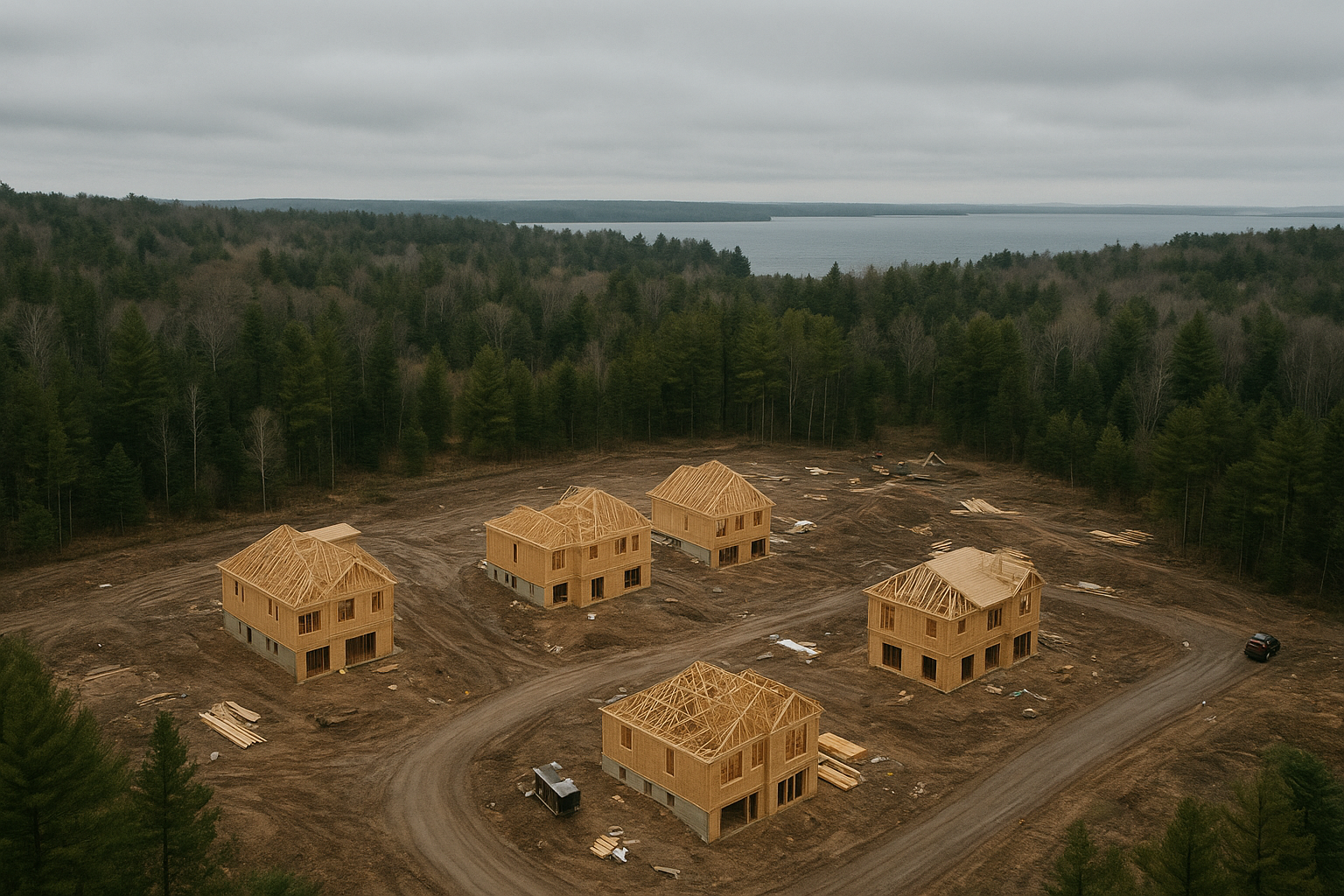
Drone documentation adds an extra layer of accountability to each schedule milestone.
Common Scheduling Mistakes Homeowners Make
Many delays are preventable once homeowners know what to look for. In particular, three mistakes show up repeatedly on Northern Michigan projects. For a deeper walkthrough, see our Best Home Inspection Up North: What to Look For.
First, owners sometimes assume a permit will clear in days rather than weeks, which pushes back the entire start date. Second, demolition occasionally begins before materials are confirmed in stock, leaving crews idle. Third, exterior work gets scheduled too close to the seasonal cutoff, leaving no room for an early snow event. Avoiding these three issues alone resolves a large share of avoidable schedule slippage.
Remote Construction Management for Seasonal Owners
Many Northern Michigan property owners live elsewhere for most of the year. This raises an obvious question: how is a schedule managed when the owner is not on-site? Fortunately, remote construction management has become standard practice for seasonal and vacation-home owners. For a deeper walkthrough, see our Builder-Managed Home Maintenance in Northern Michigan.
A trusted local representative visits the site on a regular cadence, documents progress with photos or drone footage, and relays schedule or budget changes before they become surprises. This arrangement lets an owner in another state approve decisions quickly instead of waiting for their next visit. Summertime Construction’s guide on remote construction management with a licensed GC explains how this works for owners managing a build from a distance.
Industry surveys from groups like the Associated General Contractors of America have repeatedly found that the majority of contractors experience schedule-related challenges tied to permitting and coordination gaps. That pattern holds true nationally, and it is amplified in regions with a short building season like Northern Michigan. This is exactly why proactive scheduling and clear communication matter so much here.
Choosing a Licensed Builder-GC for Scheduling and Oversight
Not every contractor offers full scheduling oversight. Therefore, homeowners should confirm whether a prospective builder is a licensed general contractor who manages the entire timeline or a tradesperson focused on a single phase.
Summertime Construction LLC, Michigan license 262100041, is a licensed builder-GC serving Emmet, Cheboygan, and Mackinac Counties. The company combines construction coordination with certified home inspection expertise. This allows it to track a project’s schedule and its quality at the same time rather than treating them as separate concerns. This combined approach reflects the broader idea explored in Summertime Construction’s piece on working with one company to build and maintain a Michigan home. For a deeper walkthrough, see our Best Construction Project Management Service Near Harbor Springs.

Regular schedule reviews keep both the homeowner and builder aligned throughout construction. For a deeper walkthrough, see our Archives.
Getting Started With a Realistic Project Schedule
Before committing to a start date, it helps to have the property evaluated so the schedule reflects its actual condition rather than assumptions. A pre-construction inspection can surface issues, such as moisture or structural concerns, that would otherwise surface mid-project and cause delay.
Homeowners can request this step directly through Summertime Construction’s schedule an inspection page, or visit summertimeconstruction.com to review the full range of construction coordination and property care services available across Northern Michigan.
Frequently Asked Questions
What is construction project scheduling?
Construction project scheduling is the process of planning the order, timing, and duration of every task in a build or renovation, from permitting through final inspection. It coordinates trades, materials, and inspections so work progresses without unnecessary gaps or conflicts.
How is construction scheduling different in Northern Michigan?
Construction project scheduling Northern Michigan projects require must account for a shorter outdoor building season, heavier snow loads, and lake-effect weather that can close job sites with little warning. Schedules here typically build in wider buffers than projects in milder climates. For a deeper walkthrough, see our Construction Jobs Northern Michigan: Build Your Career Here.
How long does a typical home renovation take in Northern Michigan?
A mid-size renovation often takes three to six months, though timelines vary with scope, permitting, and season. Projects started in late fall may pause through winter and resume once conditions allow safe exterior work.
What causes construction delays in Emmet, Cheboygan, and Mackinac Counties?
Common causes include lake-effect snow, frozen ground delaying excavation, limited local trade availability during peak season, and permit review times. Material delivery delays to remote or island communities can also push schedules back.
Do I need a licensed general contractor to manage scheduling?
You are not legally required to hire a licensed general contractor for every project, but it significantly reduces scheduling risk. A licensed builder-GC coordinates permits, inspections, and subcontractors under one accountable timeline.
How is weather factored into a Northern Michigan build schedule?
Experienced schedulers add contingency days around known snow and freeze-thaw periods, sequence exterior work for warmer months, and shift interior tasks to winter whenever possible. This keeps crews productive even when conditions change quickly.
Can construction scheduling be managed remotely?
Yes, remote construction management is common for seasonal and out-of-state owners. Digital reporting, photo and video updates, and a trusted local representative allow homeowners to approve decisions without being on-site daily.
What tools are used for project scheduling and reporting?
Modern project oversight often combines digital reporting platforms, drone aerial imagery, and thermal imaging to document progress and catch issues early. These tools create a visual timeline that remote owners can review from anywhere.
How much does construction project management cost?
Fees vary by project size and scope of involvement, typically ranging from a flat coordination fee to a percentage of total project cost. Homeowners should request a written scope before work begins to avoid surprises.
What’s the difference between a contractor and a project manager?
A contractor typically performs or directly supervises construction work, while a project manager coordinates schedules, budgets, and multiple trades on the homeowner’s behalf. Some licensed builders, including general contractors, perform both roles together.
How often should I receive schedule and budget updates?
Weekly or biweekly updates are standard for active construction phases, with more frequent check-ins during critical milestones. Remote and seasonal owners should ask for photo or video documentation alongside written reports.
What permits affect construction timelines in Northern Michigan?
Building, electrical, mechanical, and plumbing permits are common requirements, along with septic or well permits for rural properties. Shoreline or wetland projects near lakes often require additional state-level review that can extend timelines.
What is the critical path method and why does it matter?
The critical path method identifies the sequence of tasks that directly determines a project’s finish date. Delays on critical path tasks push back the entire schedule, so experienced schedulers monitor these tasks most closely.
What common mistakes delay construction projects?
Frequent mistakes include underestimating permit review time, ignoring seasonal weather windows, and failing to confirm material lead times before demolition begins. Poor communication between trades is another leading cause of avoidable delay.
How do seasonal and lakeside properties affect scheduling?
Seasonal and lakeside properties often have limited access windows, shared private roads, or dock and shoreline considerations that affect when equipment and crews can mobilize. These factors should be built into the schedule from day one.
Final Thoughts on Scheduling Your Northern Michigan Project
Ultimately, dependable construction project scheduling Northern Michigan homeowners can count on comes down to realistic timelines, early permitting, and built-in weather buffers. A short building season does not have to mean a stressful one, provided the schedule accounts for how this region actually behaves across the year. For a deeper walkthrough, see our Can Summertime Construction Help With Contractor Scheduling?.
Whether a project involves a full renovation, a new build, or ongoing coordination for a seasonal lakeside property, working with a licensed local builder-GC who documents progress and communicates proactively makes the difference between a schedule that holds and one that slips. For homeowners ready to start, scheduling an inspection is often the simplest first step toward a well-organized project.
Sources referenced: Wikipedia — Critical Path Method, National Weather Service, Gaylord/Northern Michigan Forecast Office, and U.S. Bureau of Labor Statistics, Construction Occupations.
Next Steps for Construction Project Scheduling
Construction project scheduling in the north must plan around winter. For example, we walk the site, listen to your goals and explain each step in plain language. As a result, you know what to expect before any work begins.
In addition, Summertime Construction holds a Michigan residential builder license (License #262100041). Therefore, you can verify our license with the state at any time. To discuss construction project scheduling for your build, call (231) 498-5600.
Further reading: Construction management (Wikipedia).