
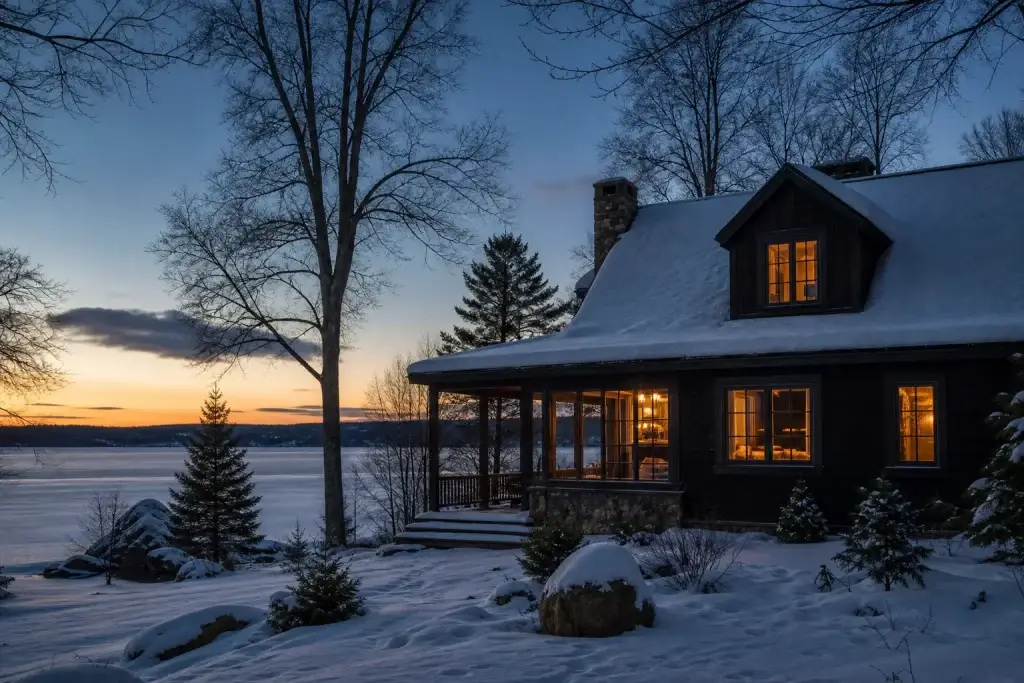
Winterizing a vacation home in Northern Michigan is one of the most important tasks a seasonal owner can complete before the first hard freeze arrives. Without proper preparation, frozen pipes, ice dams, and moisture damage can turn a peaceful lake house into a costly repair project by spring. Many owners live hundreds of miles away during the colder months. Therefore, a clear, professional winterization plan is not optional — it is essential property protection. This guide walks through what winterizing actually involves, the steps professionals follow, and how year-round oversight keeps a seasonal or lakeside home safe from November through April.

Direct answer: Winterizing a vacation home in Northern Michigan means draining plumbing, setting safe minimum heat, sealing the exterior, protecting outdoor water systems. It also means scheduling regular checks so the property survives freezing temperatures without you there.
What Is Winterizing a Vacation Home in Northern Michigan?
Winterizing a vacation home in Northern Michigan is the process of preparing a seasonal or vacant property to withstand freezing temperatures, heavy snow, and extended absences without damage. It typically includes draining water lines, adjusting heating systems, sealing vulnerable openings, and arranging regular property checks. In short, winterization is preventive maintenance that protects the structure, systems, and value of the home while the owner is away.
Because Northern Michigan winters routinely bring sustained sub-freezing temperatures, the stakes are higher here than in milder climates. According to the U.S. Department of Energy, pipes exposed to temperatures below 20°F are at significant risk of freezing and bursting, even inside an otherwise insulated structure. Consequently, a proper winterization plan addresses every pathway cold air can reach vulnerable plumbing and mechanical systems.
Winterizing a vacation home in Northern Michigan keeps lakeside properties protected through the coldest months. For a deeper walkthrough, see our Thermal Imaging Home Inspection in Northern Michigan.
Why Winter Preparation Matters for Seasonal and Lakeside Properties
Seasonal and lakeside properties face risks that year-round homes rarely encounter. For instance, an unheated structure loses protective warmth far faster than an occupied one. Also, nobody is present to notice a dripping pipe or failing sump pump. As a result, small issues can escalate into major losses within days.
In addition, lakeside homes often include docks, water intake lines, and well or septic components that are directly exposed to freeze-thaw cycles. Similarly, luxury and high-value properties frequently feature more complex mechanical systems. This means more components that require attention before the snow flies. Therefore, a thorough approach to seasonal home winterization protects both the structure and the owner’s long-term investment.
Step-by-Step Checklist for Winterizing a Seasonal Home
Winterizing a seasonal home follows a logical order, moving from plumbing to heating to the exterior and finally to ongoing monitoring. Below is the sequence professionals generally follow.
- Shut off and drain the main water supply. Turn off the main valve and drain all interior supply lines. This removes standing water that could freeze and crack pipes during the coldest months.
- Winterize plumbing fixtures and appliances. Add non-toxic antifreeze to toilet bowls and traps, and disconnect ice makers, washing machines, and outdoor spigots left unprotected.
- Set the heating system to a safe minimum level. Keep the furnace running near 55°F so interior walls and remaining plumbing stay above freezing all winter long.
- Inspect and seal the roof, gutters, and exterior. Check flashing and gutters for damage that could allow ice dams, then seal gaps around pipes, vents, and the foundation.
- Protect docks, wells, and outdoor water systems. Remove or winterize docks, drain irrigation lines, and insulate exposed well or septic components against repeated freeze cycles.
- Test alarms and leak sensors. Verify smoke, carbon monoxide, and water-leak sensors are working before the property sits unoccupied for extended stretches.
- Schedule recurring property checks through freeze season. Arrange visits every one to two weeks, with extra checks after storms, so issues are caught early.
Common Mistakes Remote Owners Make When Prepping a Lake House for Winter
Even careful owners miss details when preparing a lake house for winter from a distance. One frequent error is draining the main water line while overlooking secondary fixtures. Examples include outdoor spigots or refrigerator ice makers, which can still burst independently. Another common mistake is turning the heat off entirely to save money. This almost always backfires when pipes inside exterior walls freeze within days.
Furthermore, many owners skip roof and gutter inspections, not realizing that clogged gutters contribute directly to ice dam formation and interior water damage. Likewise, docks and water-intake lines are sometimes left in place too long, exposing them to ice movement that can cause structural harm. Above all, the biggest mistake is assuming winterization is a one-time task rather than an ongoing responsibility through the entire cold season.
How Often Should a Vacant Winter Home Be Checked?
A vacant winter home should be physically checked at least every one to two weeks, with additional visits scheduled after major storms or extreme cold snaps. Regular checks confirm the heating system is functioning, no leaks have developed, and snow loads are not compromising the roof. Without this routine oversight, even a properly winterized home can develop problems that go unnoticed for weeks.
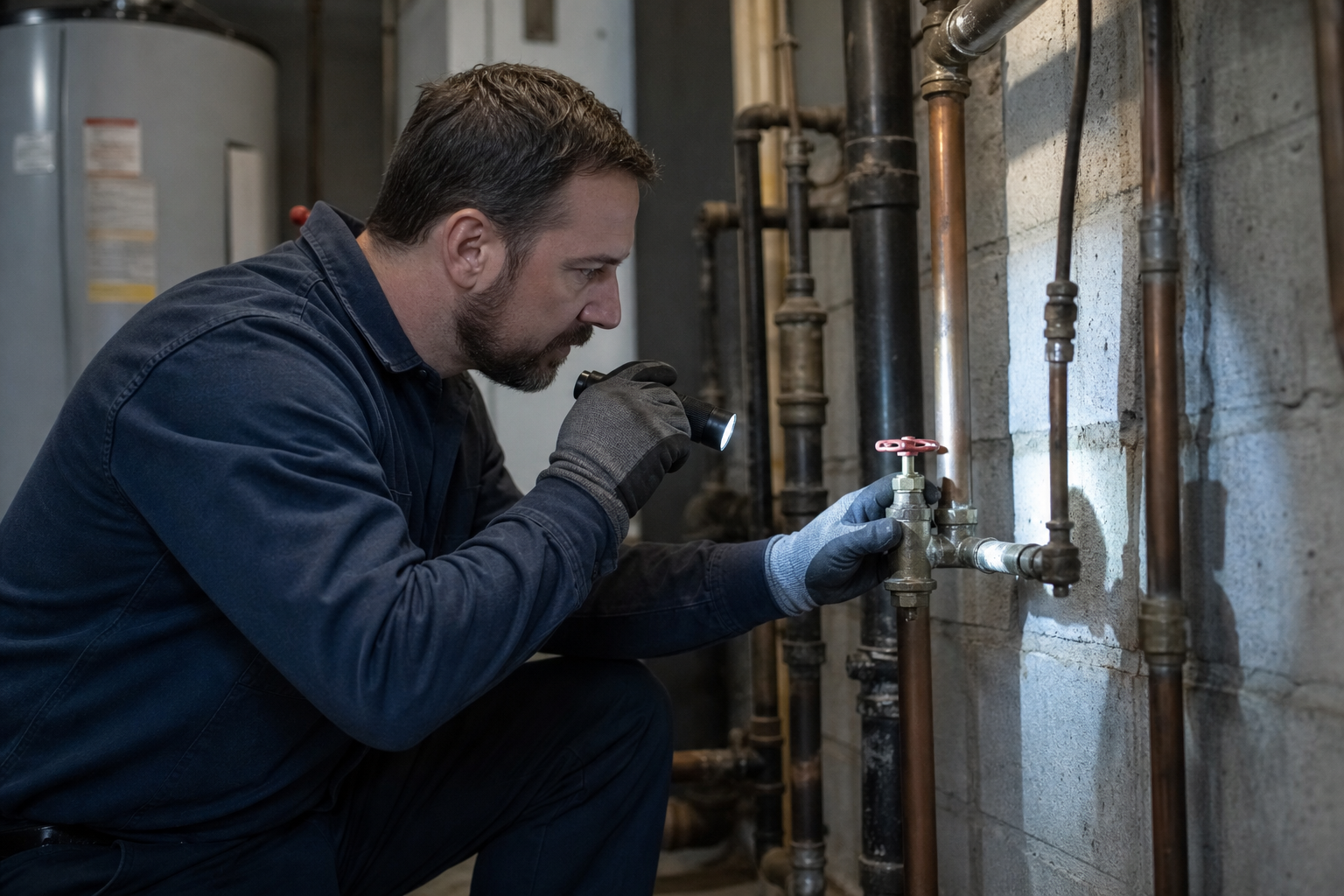
Draining and checking plumbing lines is one of the first steps in any seasonal home winterization plan.
Professional Winterization and Year-Round Property Support
Because so many steps are involved, professional winterization support offers real peace of mind for remote, seasonal, and luxury-property owners across Emmet, Cheboygan, and Mackinac Counties. Summertime Construction LLC, a Michigan licensed builder and general contractor operating since 2017, combines construction knowledge with InterNACHI-certified inspection expertise to verify that plumbing, heating, roofing, and outdoor systems are properly prepared. The company also uses FLIR thermal imaging and DJI drone technology to spot heat loss and roof vulnerabilities before they cause damage. The team delivers reports digitally through Spectora for fast, remote review.
Beyond the initial winterization, the Property Care program provides recurring seasonal checks, while secure key-holder services and 24/7 emergency support give owners a trusted local point of contact. For a deeper look at ongoing care, see this guide to winter property management best practices in Northern Michigan, or review this complete home maintenance plan guide for year-round planning.
| Winterization Task | Why It Matters |
|---|---|
| Draining water lines | Prevents frozen pipes and water damage during vacancy |
| Sealing roof and exterior gaps | Reduces ice dam risk and keeps out moisture |
| Routine property checks | Catches developing problems before they worsen |
Consequently, pairing a thorough winterization checklist with a dependable maintenance partner, such as the one described on summertimeconstruction.com, closes the gap that distance creates for seasonal owners. For additional detail on inspection methodology, see this guide on inspecting a seasonal home and this overview of seasonal home care in Northern Michigan.
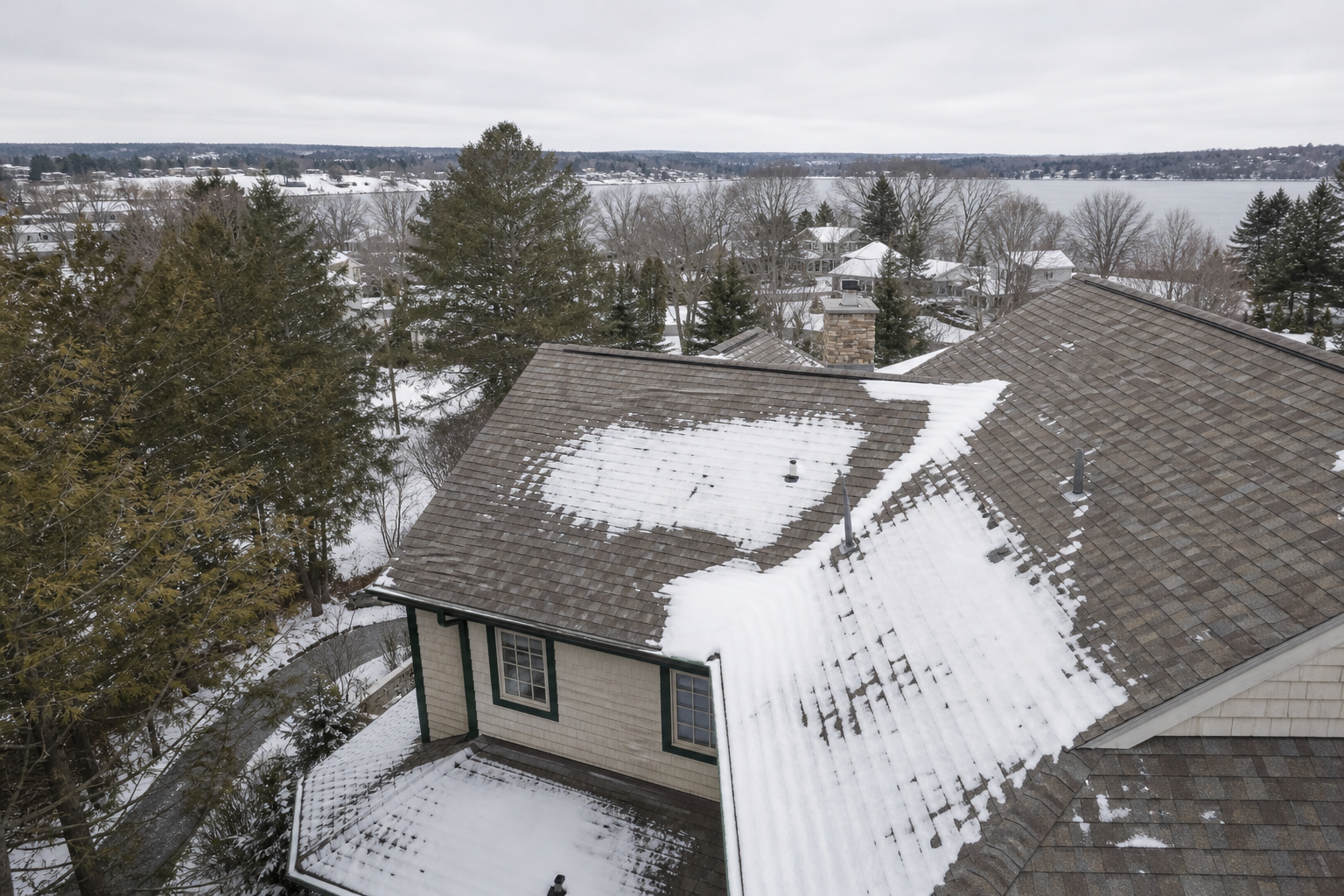
Drone roof inspections help catch winter vulnerabilities that are hard to see from the ground.
Frequently Asked Questions About Winterizing Vacation Home Northern Michigan
What does winterizing a vacation home in Northern Michigan actually include?
Winterizing a vacation home in Northern Michigan typically includes draining water lines, setting a minimum safe heat level, sealing exterior openings, protecting docks and outdoor systems, and arranging regular property checks.
When should I start winterizing my seasonal home?
Most owners should begin by mid-to-late October, before overnight temperatures regularly drop below freezing. Starting early avoids scrambling after the first hard freeze.
How much does professional winterization cost compared to DIY?
Professional winterization generally costs a few hundred dollars depending on property size and systems involved, while DIY has no labor fee but carries higher risk of missed steps. A single frozen pipe repair often costs far more than the service itself.
Can I winterize my lake house myself, or should I hire someone?
Handy owners who are present for the process can complete basic winterization themselves. However, remote owners or those without plumbing and HVAC experience benefit from a licensed professional who can verify every system correctly.
What thermostat setting is best for an empty home in winter?
Most professionals recommend keeping an unoccupied home no lower than 55 degrees Fahrenheit. This keeps wall cavities and plumbing above freezing during extended cold snaps.
How often should a vacant winter home be checked for problems?
A vacant seasonal home should be checked at least every one to two weeks during peak winter, with more frequent checks after major storms or extreme cold.
What happens if pipes freeze in an unmonitored vacation home?
Frozen pipes can burst and release water for days before anyone notices, causing flooring, drywall, and foundation damage. This is why routine checks matter as much as the initial winterization.
Do I need to winterize a septic system or water well separately?
Yes, septic systems and water wells need their own freeze protection. These include insulating exposed components and confirming the system was properly drained or serviced.
Is thermal imaging useful for winterizing a vacation home?
Thermal imaging helps identify heat loss, missing insulation, and moisture before winter sets in. It is a diagnostic tool, not a replacement for draining lines or sealing openings.
What is the biggest mistake owners make when winterizing a seasonal home?
The most common mistake is draining the main line but forgetting secondary fixtures, such as outdoor spigots or ice makers. This can still freeze and burst.
Can winterization include dock removal and lakeside systems?
Yes, dock installation and removal, along with winterizing water intake lines, can be coordinated alongside interior winterization to reduce the number of separate visits needed.
How does key-holder service help winterize a vacation home?
A key-holder service gives a trusted local representative secure access to confirm winterization steps were completed and respond quickly if an alarm, leak, or storm event occurs.
What if a winter home check finds damage?
Any sign of water, ice buildup, or system failure should be documented with photos and reported immediately to a local contact who can coordinate repairs quickly.
Final Thoughts on Protecting Your Seasonal Property
Winterizing a vacation home in Northern Michigan is not a single checklist item. It is an ongoing commitment that runs from the first draining of pipes through the last spring check in April. In particular, remote and lakeside owners benefit most from pairing a thorough initial winterization with recurring visits, since distance alone makes early detection difficult. Ultimately, whether an owner handles the process personally or partners with a licensed local team for inspections, maintenance, key holding, and emergency response, the goal remains the same. A property that survives winter intact and is ready to enjoy again when the ice finally melts.
Help With Winterizing a Vacation Home
Winterizing a vacation home protects plumbing, roofs and finishes through the cold months. For example, we check the home on a set schedule, send photos and flag anything that needs attention. As a result, small problems stay small.
In addition, our Property Care team works under a Michigan licensed builder, so repairs can start quickly. Therefore, one call covers checks and fixes. To get help winterizing a vacation home, call (231) 498-5600.
Further reading: Winterization (Wikipedia).
